Blog Post
In-house vs. Outsourcing: The Creative Studio's Dilemma and the Risk to Your Brand
The Promise of Creative Technology: Who's Really Behind It?
Creative technology has transcended its niche to become a fundamental pillar of brand strategy. From virtual production redefining the boundaries of audiovisual storytelling to immersive experiences transforming physical spaces, and the viral impact of FOOH (Fake Out-Of-Home) and AI-powered interactive installations, brands are constantly seeking innovative ways to connect with their audiences. This evolution has generated unprecedented demand for solutions that not only capture attention but also create lasting memories and meaningful interaction.
In this dynamic landscape, the promise of creative technology is clear: to deliver memorable experiences, competitive differentiation, and measurable impact. However, behind every successful campaign and every impactful activation lies an operational structure that often remains invisible to the end client. A studio's ability to conceive, develop, and execute these complex solutions is not uniform. The key question brands must ask themselves is: who is truly behind the magic? Is it an integrated team that controls every phase of the process, or a network of external providers assembled for each project?
The answer to this question is not trivial. How a creative technology studio is internally structured, particularly regarding its in-house execution capabilities versus extensive outsourcing, has direct implications for quality, efficiency, flexibility, and ultimately, the risk associated with any project. In a sector where innovation is constant and technical precision is crucial, understanding the operational backbone of a creative partner becomes as important as evaluating their portfolio.
This distinction is vital for creative directors, CMOs, and brand managers who are not just looking for a provider, but a true strategic partner capable of materializing ambitious visions. Transparency about how these experiences are built is the first step to ensuring that the promise of creative technology is fulfilled seamlessly, guaranteeing that the original vision remains intact from concept to final implementation.
In-house vs. Outsourcing: Defining Operating Models
To understand the dynamics of creative technology studios, it's crucial to differentiate between two predominant operating models: the in-house approach and outsourcing. Each entails a distinct structure, resource management, and ultimately, a different level of control and risk for the client.
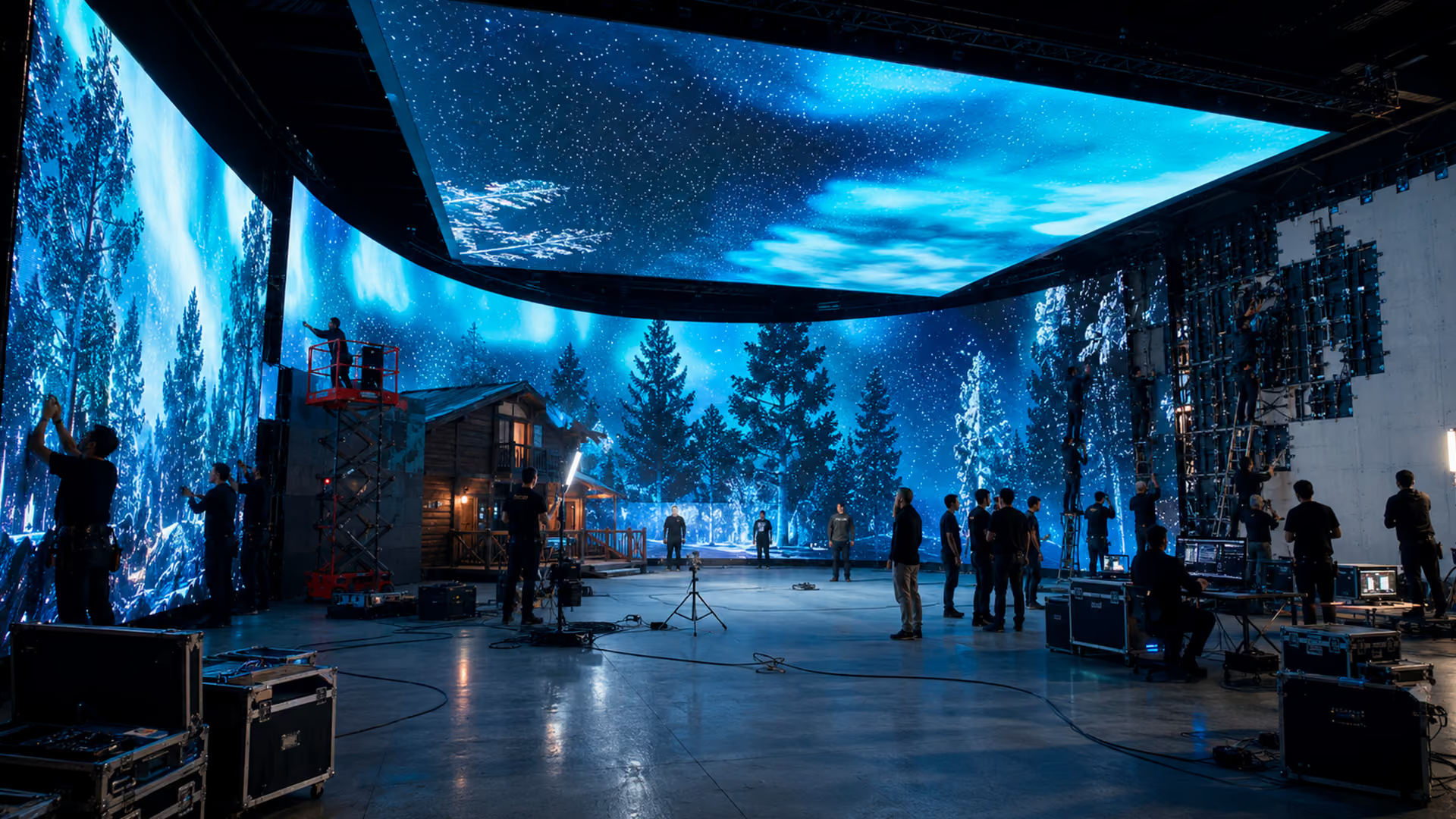
A studio operating in-house is characterized by maintaining most, if not all, of its creative, technical, and production capabilities within its own organizational structure. This means that talent—3D animators, software developers, systems engineers, creative directors, virtual production specialists, etc.—are direct employees of the studio. They own their equipment, software licenses, technological infrastructure (such as LED Volumes or AR/VR development labs), and standardized internal processes. This model aims for vertical integration, where every stage of a project, from conceptualization to final execution, is managed under one roof and a unified vision.
On the other hand, the outsourcing model implies that the studio delegates a significant portion of tasks or even entire projects to third parties. These third parties can be freelancers, smaller specialized agencies, or even other studios. In this setup, the studio acts more as a project manager or an intermediary, coordinating the work of different external providers. While the main studio may maintain client contact and overall creative direction, technical execution and actual production are externalized. This model offers flexibility and the ability to scale quickly according to demand, but it introduces an additional layer of complexity in management and quality control.
The choice between one model and another is not trivial and has direct implications for the quality, consistency, efficiency, and responsiveness of a project. While the in-house approach promises tighter control over every detail and fluid communication between teams, outsourcing can fragment the process and dilute the original vision if not rigorously managed. Understanding these differences is the first step to evaluating the true potential and possible challenges of working with a creative technology studio.
The Hidden Risks of Mass Outsourcing for Your Project
While outsourcing can offer flexibility and access to specialized talent, an excessive reliance on this model introduces a series of significant risks that can compromise the quality, timeline, and ultimately, the success of a creative technology project. For brands looking to innovate and stand out, understanding these risks is crucial for making informed decisions about who to partner with.
One of the most evident dangers is the loss of quality control. When multiple external vendors are involved in different stages of a project, consistency and quality standards can become diluted. Each subcontractor may have their own processes, tools, and levels of demand, making it difficult to maintain a unified vision and an impeccable finish. Oversight becomes more complex, and resolving quality issues can become a slow and costly process, with responsibilities diffused among the parties.
Communication problems are another Achilles' heel of mass outsourcing. The communication chain lengthens, introducing intermediaries who can distort the client's original message. Instructions can be misinterpreted, deadlines may not be communicated effectively, and revisions can take longer to implement. This communicative friction not only slows progress but can also lead to frustration and results that do not align with the project's initial vision.
Information leakage and intellectual property protection represent a serious concern. By involving multiple third parties, the risk increases that sensitive data, brand strategies, or innovative creative concepts may leak or be misused. Securing confidentiality agreements with each subcontractor can be an administrative challenge, and monitoring their compliance is even more complex. For projects seeking viral impact or a competitive advantage, this risk is not minor.
Dependence on third parties is inherent in this model. If a key subcontractor fails to meet their commitments, is delayed, or simply disappears, the entire project can be compromised. In a market where creative technology is rapidly advancing, a studio's ability to respond agilely to changes or unforeseen events is diminished if it must coordinate with a network of external vendors who do not share the same urgency or strategic vision.
Furthermore, scalability can be limited. Although outsourcing may seem flexible at first, the ability to quickly scale a project or adapt to new demands can be a bottleneck. Finding new vendors with adequate quality and availability in a short time is difficult, and integrating new external teams always involves a learning curve and adaptation. This can prevent a project from seizing emerging opportunities or effectively responding to changing market needs.
Finally, potential cost overruns are a reality. Although outsourcing may seem more economical initially, hidden costs can accumulate quickly. Rework due to quality issues, delays impacting marketing campaigns, the need to hire additional project managers to coordinate subcontractors, and legal expenses to protect intellectual property can significantly inflate the original budget. These costs are not only financial but also involve the client's time and internal resources, which are diverted from their primary objectives to manage the complexity of outsourcing.
Strategic Advantages of a Studio with In-House Capabilities
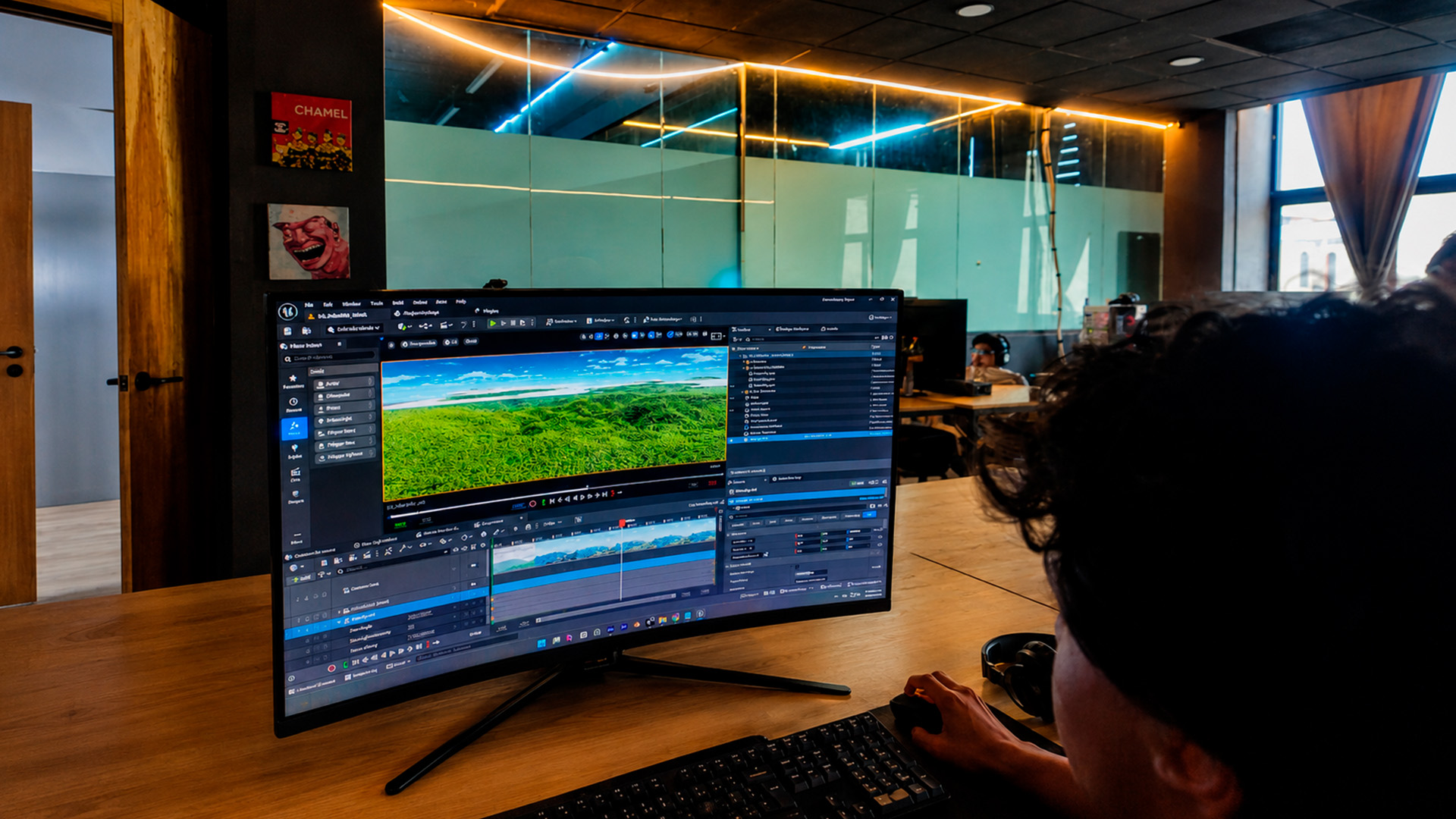
Opting for a studio that maintains its production capabilities in-house, like Cinética Studio, offers a series of strategic advantages that directly impact the quality, efficiency, and consistency of creative technology projects. This operational model translates into more rigorous control over every stage of the process, from conceptualization to final execution.
One of the primary strengths is unified creative and technical control. By having design, development, and production teams under one roof, fluid communication and a shared vision for the project are fostered. This minimizes misinterpretations and ensures that the brand's original intent remains intact throughout the entire project lifecycle. For example, in the development of complex interactive experiences, such as the interactive floor Cinética Studio created for Coca-Cola, which combined TouchDesigner, MediaPipe, and Computer Vision for real-time person tracking, the in-house integration of development and design teams was crucial to achieving a dynamic and reactive visual experience that responded fluidly to user movement. The ability to adjust and optimize each component in real-time, without relying on third parties, guarantees impeccable execution.
Agility in decision-making is another key benefit. When technical or creative challenges arise, an in-house team can resolve them quickly, without the delays involved in coordinating with multiple external vendors. This ability to pivot and adapt is invaluable in a field as dynamic as creative technology. Consistency in project vision is maintained because all specialists work with the same quality standards and under the same artistic and technical direction. This is especially relevant in projects that require high integration of diverse technologies, such as the karaoke experience for Amazon Music, where Unity, video and audio capture, Firebase, and QR code generation were unified for personalized content delivery. The cohesion of the internal team allowed all elements to function like a perfect gear, from the in-booth interaction to the download of the final video.
Furthermore, this model can lead to long-term cost optimization. While the initial investment in in-house infrastructure and talent can be significant, it eliminates the profit margins of multiple subcontractors and reduces costs associated with managing diverse vendors. Operational efficiency and error reduction also contribute to better budget utilization. Finally, the direct and transparent relationship with the production team fosters greater trust and a deep understanding of client needs, building a lasting strategic partnership.
Red Flags to Identify an In-House vs. Outsourced Studio
For brands, discerning the operational structure of a creative technology studio is crucial. It's not just a preference, but a strategic decision that directly impacts the quality, efficiency, and security of a project. Here's a practical guide to identify whether a studio operates predominantly in-house or if its model relies on extensive outsourcing.
Key Questions During the Pitch Process
During initial conversations, it's essential to ask direct questions about team composition and production processes. Inquire about who will be directly responsible for each phase of the project, from creative conception to technical execution. A studio with in-house capabilities will be able to name the leaders of each area (3D design, software development, hardware engineering, etc.) and describe how their teams collaborate internally. Conversely, a studio that outsources will often speak in more general terms or refer to "our collaborators" without specifying clear roles or responsibilities.
Transparency in Team and Infrastructure
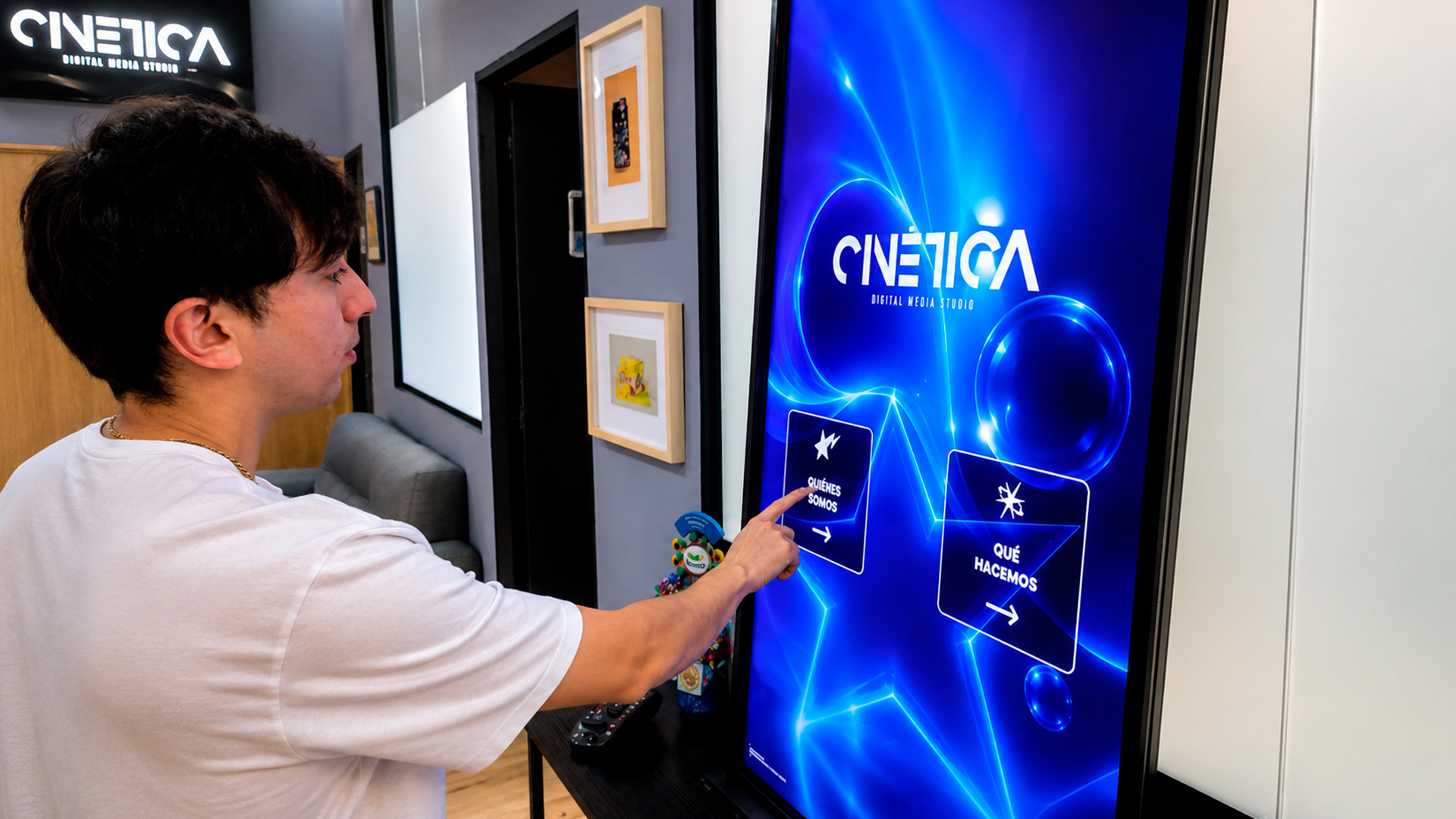
A clear indicator of in-house operation is transparency in presenting the team and infrastructure. An integrated studio will not hesitate to showcase its facilities, production studios, development teams, and the people who operate them. For example, at Cinética Studio, projects like the interactive floor for Coca-Cola or the karaoke experience for Amazon Music are managed by internal multidisciplinary teams. This allows for seamless integration between software development (such as TouchDesigner or Unity), hardware engineering (webcams, LiDAR sensors), and visual and auditory content creation, all under one roof. This cohesion is difficult to replicate when relying on multiple external providers.
Ability to Showcase Complex Projects from Start to Finish
A studio with in-house capabilities can detail the complete project lifecycle, from initial ideation to final implementation, demonstrating how each stage was executed by its own specialists. They will be able to present case studies that not only showcase the final outcome but also break down the creative and technical process, the tools used, and the challenges overcome by their team. If a studio only shows the final result without being able to explain in detail the "how" and "who" behind each phase, it's a red flag. Cinética Studio's ability to develop complex interactive experiences, such as the series of activations for NESTLÉ NAN that included video games on touchscreens, interactive walls with LiDAR, and trivia on tablets, demonstrates a vertical integration of design, development, and execution that only an in-house team can consistently offer.
The Value of Specialization and Vertical Integration in Creative Technology
The true power of a creative technology studio lies not only in its ability to execute projects but also in the depth of its specialization and the vertical integration of its disciplines. This means that the studio not only masters a single technology but is also capable of combining multiple tools and knowledge under one roof, from conception to final implementation. This integration is a key driver for innovation and a critical differentiator in the quality of the final product.
When a studio like Cinética Studio integrates diverse areas—such as 3D animation, interactive development, virtual production, videomapping, and generative artificial intelligence—an ecosystem is created where ideas flow seamlessly. Teams can collaborate closely, optimizing each stage of the process and ensuring that the creative vision remains intact throughout development. This synergy allows for tackling highly complex projects that require the convergence of multiple technologies and talents.
A clear example of this integration is seen in projects developed for NESTLE - NAN. In the case of “Nan - Secretos de la Microbiota” (Nan - Secrets of the Microbiota), Cinética Studio designed a series of interactive experiences that combined video games on touchscreens with immersive floors and walls. This involved using Unity for game logic development, TouchDesigner for detecting and interpreting wall interactions, and LiDAR technology for touch detection. The ability to integrate these tools and multidisciplinary teams (developers, 3D designers, hardware experts) was fundamental to transforming scientific concepts into playful and educational experiences for children.
Similarly, in the “Nan - Formula Perfecta” (Nan - Perfect Formula) project, real-time render processing was combined with 3D animations created in Blender, deployed via TouchDesigner. This integration allowed for the creation of interactive content and sensory stations that communicated the science behind the product in an immersive and didactic way. The specialization in 3D animation and the mastery of real-time deployment tools, all managed internally, ensured visual consistency and the fluidity of the experience.
This vertical integration not only streamlines workflows but also allows for greater experimentation and the creation of custom solutions. By having control over every phase, from conceptual design to programming and installation, the studio can innovate more effectively, adapting to the specific challenges of each project without relying on third parties who might introduce friction or limitations. The result is higher quality, more efficient execution, and ultimately, a deeper impact for the brand.
Mitigating Risks and Maximizing ROI with the Right Partner
Choosing a partner for creative technology projects goes beyond merely finding a vendor; it's a strategic decision that directly impacts risk mitigation and return on investment (ROI). For brands, the key lies in prioritizing operational transparency and the studio's in-house execution capabilities, thereby ensuring not only project success but also the protection of their investment and the integrity of their creative vision.
A studio with robust in-house capabilities offers a significant competitive advantage. By having 3D animation experts, software developers, virtual production specialists, and experience designers under one roof, the friction and misunderstandings that often arise in complex subcontracting chains are eliminated. This vertical integration allows for fluid communication, agile decision-making, and superior adaptability to the inevitable challenges that any innovative project presents. Trust is built on the foundation of knowing that the team conceiving the idea is the same one executing it, ensuring consistency from concept to final delivery.
To maximize ROI, brands should seek studios that not only demonstrate technical expertise but also a deep understanding of their business objectives. The right partner doesn't just deliver a product; they become a strategic consultant, capable of anticipating needs, proposing innovative solutions, and optimizing every phase of the project to ensure that the investment translates into tangible results, whether in virality, engagement, or sales impact. For example, at Cinética Studio, we have developed complex interactive experiences, such as the interactive floor for Coca-Cola, where the integration of technologies like TouchDesigner, MediaPipe, and Computer Vision was managed entirely in-house. This allowed for constant iteration and real-time optimization to achieve a dynamic and reactive visual experience that exceeded client expectations, demonstrating how in-house execution translates into superior quality control and responsiveness.
Strategic alignment is another fundamental pillar. A studio that shares the brand's vision and is committed to its long-term objectives is invaluable. This implies a collaborative relationship where the studio not only executes but also adds value through its experience and market knowledge. By choosing a partner that operates with transparency and a solid in-house structure, brands not only minimize the risks associated with quality, deadlines, and budget but also lay the groundwork for continuous innovation and lasting impact on their audience.
Conclusion: Transparency as a Pillar of Creative Innovation
Ultimately, choosing a creative technology studio is a decision that goes beyond economic proposals or visual portfolios. It's about forming a strategic alliance that will define the quality, efficiency, and impact of the experiences your brand seeks to create. Understanding a studio's operational structure—whether it executes in-house or extensively subcontracts—is not a minor detail, but a critical factor that directly influences the risk, control, and ultimately, the success of your project.
Transparency in a studio's operations, where capabilities and talent reside internally, becomes a fundamental pillar for creative innovation. This vertical integration not only ensures superior quality control and fluid communication but also fosters an environment where experimentation and complex problem-solving are inherent to the process. When a multidisciplinary team works under one roof, the synergy is palpable, and the ability to pivot, optimize, and overcome technical challenges is amplified.
For brands, this translates into significant risk mitigation. It avoids unexpected cost overruns, delays due to lack of coordination between third parties, and the dilution of the original creative vision. A studio with in-house capabilities, like Cinética Studio, offers the assurance that every stage of the project, from initial concept to final implementation, is under the direct control of experts who share a common vision and methodology. This is especially critical in complex projects such as interactive AI installations, virtual productions, or architectural videomappings, where the integration of multiple technologies demands impeccable coordination.
In a market where creative technology is advancing by leaps and bounds, a studio's ability to innovate and adapt quickly is key. Those who cultivate their talent and tools internally are better positioned to explore new frontiers, develop customized solutions, and deliver results that truly differentiate a brand. Choosing a partner with an in-house operation is not just a preference, but a strategic decision that directly impacts the quality, control, and success of creative technology projects, ensuring that your brand's vision is materialized with maximum fidelity and the lowest possible risk.
Featured in
Our work has been recognized by leading industry publications covering creativity, technology, and innovation.
Discover interviews, features, and articles that highlight our projects and perspective.


You may also like

Ready to create something extraordinary?
From concept to execution, we design experiences that connect people, technology, and storytelling in unforgettable ways.