Blog Post
The Art of the Technical Brief: Ensuring Accurate Quotes for Your Creative Project
The Strategic Importance of a Technical Brief in Creative Production
In the dynamic world of creative technology, where innovation and technical complexity intertwine to bring immersive experiences and impactful campaigns to life, clear communication is the fundamental pillar of success. A well-crafted technical brief is not just a document; it's the roadmap that ensures perfect alignment between the client's vision and the execution capabilities of a specialized studio like Cinética Studio. Its strategic importance lies in its ability to prevent misunderstandings, optimize resources, and
‘enciire that the final autcame nat anly meets hist exceeris exnertatians The absence of a detailed technical brief is one of the main causes of scope creep, cost overruns, and project delays. When technical information is ambiguous or incomplete, studios are forced to make assumptions, which can lead to inaccurate quotes or the implementation of solutions that don't fully meet the original need. Conversely, a comprehensive technical brief allows the studio's creative and technical team to thoroughly understand the specific requirements, limitations, and opportunities of each project. This facilitates the proposal of innovative and viable solutions from the outset, establishing a solid foundation for surressfiil callaharatian
From Cinética Studio's perspective, a precise technical briefs an invaluable tool that allows us to translate an abstract idea into a concrete action plan. It helps us identify the most suitable technologies, such as the use of TouchDesigner and MediaPipe for an interactive floor that detects and tracks people in real-time, or the implementation of Unity and cameras for an interactive karaoke experience like the one we developed for Amazon Music. Without this detailed information, it would be impossible to accurately estimate the neceseary resources davalnnment times and af catirse the final nraiact cast
Furthermore, a robust technical brief fosters transparency and trust between the client and the studio, By clearly specifying objectives, desired functionalities, deployment platforms, and any technical restrictions, the risk of surprises during development is minimized, This not only protects the client's investment but also allows the studio to focus on creative and technical excellence, knowing that all parties are working under a unified understanding of the project. In essence, a technical brief is the first and most crucial investment in
the quality and efficiency of anv creative tachnalnay reduction
What is a Technical Brief and How Does it Differ from a Creative Brief? In the creative production ecosystem, two fundamental documents coexist: the creative brief and the technical brief. While both are crucial for a project's success, their purposes, audiences, and content are
markedly distinct. Understanding this difference is the first step toward writing a technical brief that truly works
The creative brief is the starting point for any campaign or experience. Its primary objective is to inspire and ‘guide the creative team, outlining the project's overall vision, marketing objectives, target audience, key message, brand voice, and desired ernotions. it's a document focused on the what and why of communication, leaving room for artistic interpretation and conceptual ideation. For example, a creative brief for a brand activation might specify a desire for a "surprising and memorable experience" that
“amntinnally eannects with veiina neanie and "reinforces the hrand's innovative mane"
On the other hand, the technical brief is a detailed specification document that translates that creative vision into tangible, executable requirements. Its primary audience comprises production teams, engineers, developers, and technology specialists. It focuses on how the experience or content will be built, detailing
functionalities, platforms, hardware, software, integrations, and performance parameters. While the creative
brief ceaks insniratinn the technical hrief nursties nracisinn and feasibility
The distinction is vital because a creative brief, on its own, is insufficient for a creative technology studio like Cinética Studio to accurately quote or plan a project. We need to know not only what is desired but howthe technology is envisioned to make it possible, of at least, what technical capabilities are indispensable. For instance, if the creative brief requests an "immersive experience that reacts to user movement’ the technical brief must specify the type of motion detection required (LIDAR, depth cameras, pressure sensors), the area covered, the latency, and whether it needs to integrate with other systems like real-time generative
graphics or interactive displays, as we did for Nestlé NAN games, where the use of Unity, TouchDesigner, and HD AB far interactive wall detection was detailed
In essence, the creative brief sets the goal, and the technical brief draws the detailed map to reach it. Without a clear map, the journey can be uncertain, costly, and ultimately, may not lead to the desired destination
Essential Components of an Effective Technical Brief
‘Awell-structured technical brief is the backbone of any creative technology project. It's not just a wish list, but a detailed roadmap that allows studios like Cinética Studio to understand the client's vision and
translate it into a viable and precise solution. Below, we break down the fundamental components that ‘every technical hrief chaiild include te he truly effective:
1. Clear Proiact Ohiactives Before diving into technical details, i's crucial to define what the project aims to achieve. Is it a brand activation to increase engagement? An anamorphotic content piece to generate virality? An immersive ‘experience to educate about a product? Objectives must be Specific, Measurable, Achievable, Relevant, and Time-bound (SMART). This not only guides the technical team but also facilitates success evaluation upon
nrniert camnietion 2. Taraet Audianea and Exnarianes Cantaxt
Understanding who the experience is for and in what environment it will unfold is as important as the technology itself. Designing an interactive floor for children at a family event, like the one Cinética Studio developed for Nestlé NAN, is different from a karaoke experience for adults at a sporting event, like the one we created for Amazon Music. The demographic profile, audience interests, and physical context (indoor,
fuitelanr snare size linhtina) directly influence desian decisions and technolanw selertian
3. Specific Technical Reauirements
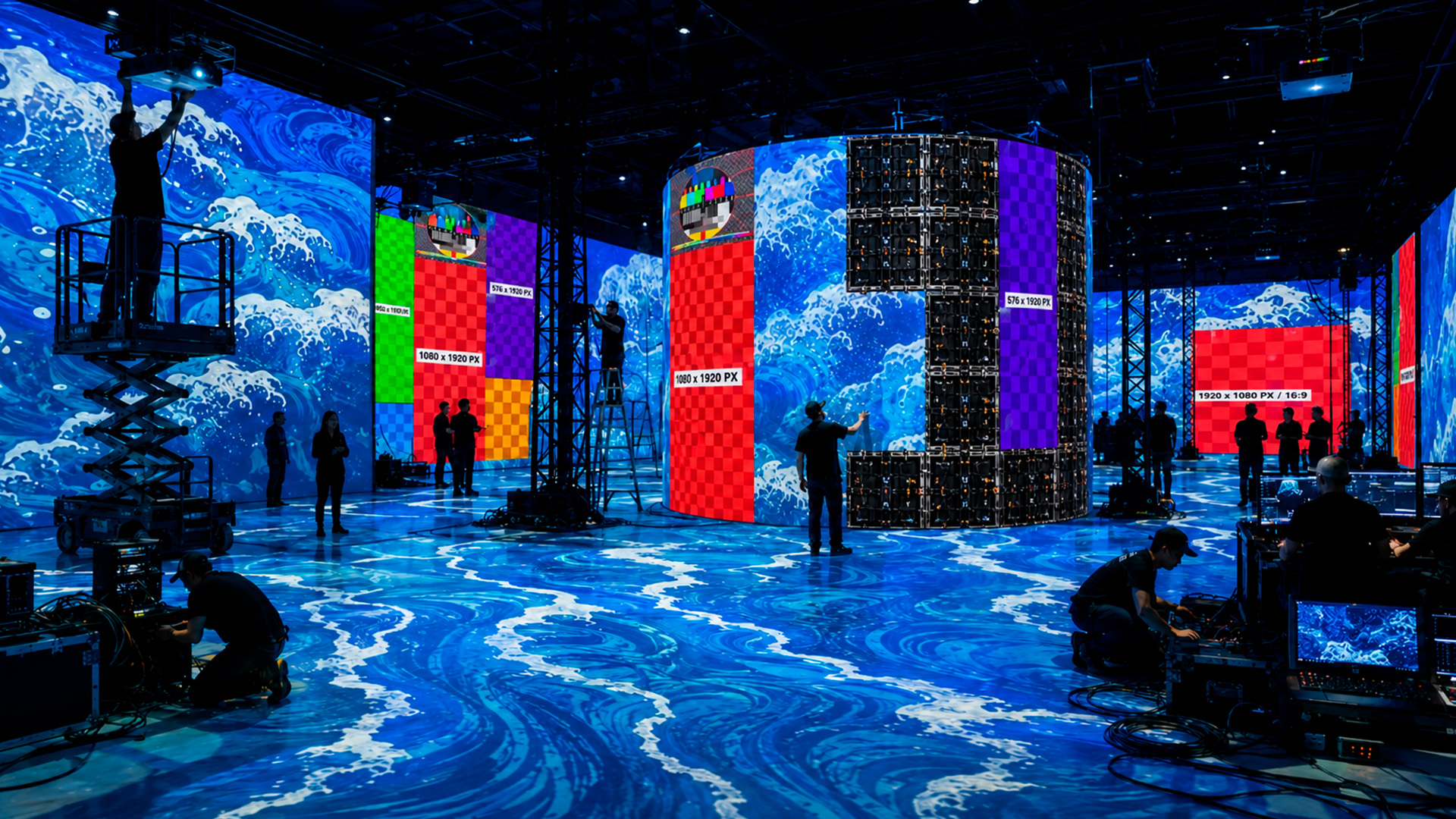
This is the core of the technical brief. It details expected functionalities, desired platforms (WebAR, app, physical installation), compatible operating systems, integrations with existing hardware or software, and any other relevant technical specification. For example, if an interactive experience with motion detection is required, the type of interaction and expected precision level must be specified, If it's a projection, space
dimansinns and nrniection surfaces are critical 14. Deliverables and Formats
‘What is expected to be received at the end of the project? 3D files, animations, executable software, videos in specific formats, metrics reports? Clarity in deliverables avoids misunderstandings and ensures the studio produces exactly what the client needs. It's important to specify not only the type of deliverable but also the exnertad formats resaliitions and aiality standards
5. Timalinas and Schedule
Arealistic timeline is fundamental for project planning and execution. The brief should include key dates: project start, intermediate milestones, review dates, and the final delivery date. This allows the studio to organize its resources and estimate project feasibility within the available time. Flexibility is welcome, but a clear timeframe is indisnensahla
6. Eetimated Budant
Although sometimes perceived as a delicate topic, providing a budget range or an approximate figure from the outset demonstrates transparency and efficiency. It allows the studio to propose solutions that fit the client's possibilities, avoiding unfeasible proposals or, conversely, underestimating the scope. A clear budget facilitates resource optimization and functionality prioritization. This transparency helps manage
exnertations and ensiires that the nrannsed saluition alians with the cliant's financial framework 7. Laaal and Intellectual Pronarty Considerations
Aspects such as ownership of created digital assets, use of software or hardware licenses, data privacy (if applicable), and usage rights for generated content are crucial. Addressing these issues from the beginning protects both parties and ensures a clear legal framework for collaboration. It is essential to specify any brand usage restrictions, confidentiality requirements, or whether a full or partial assignment of copyright for deliverables is exnectad
Defining Scope: How to Specify Technologies and Functionalities
Clarity in defining the technological scope is the cornerstone for receiving accurate quotes and avoiding project deviations. It's not just about naming a technology, but about describing how it's expected to function and what results it should generate. This involves detailing everything from the type of experience Aosirad ta specific interactive fiinctinnalities and hardware and enfware reailiramants
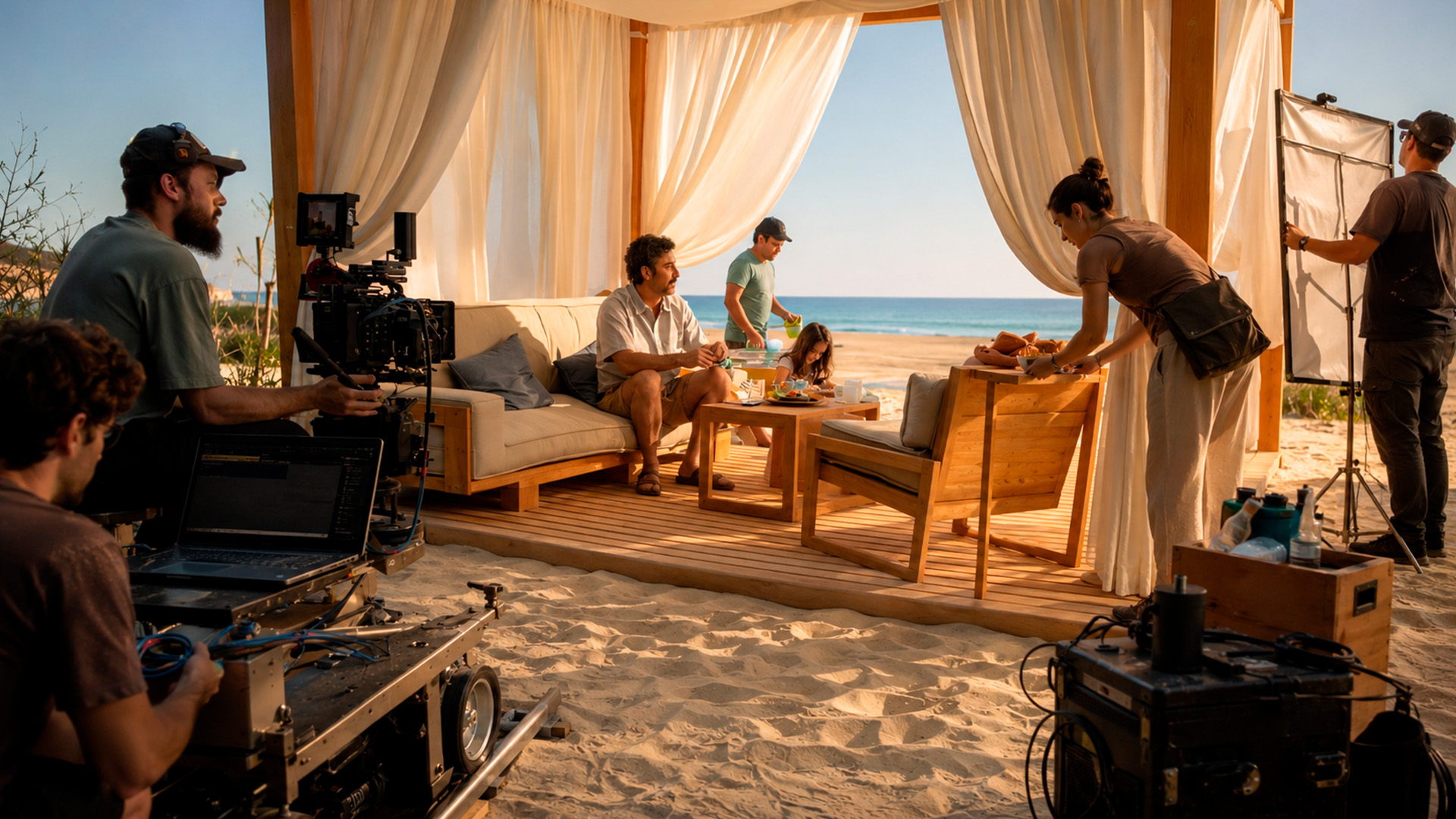
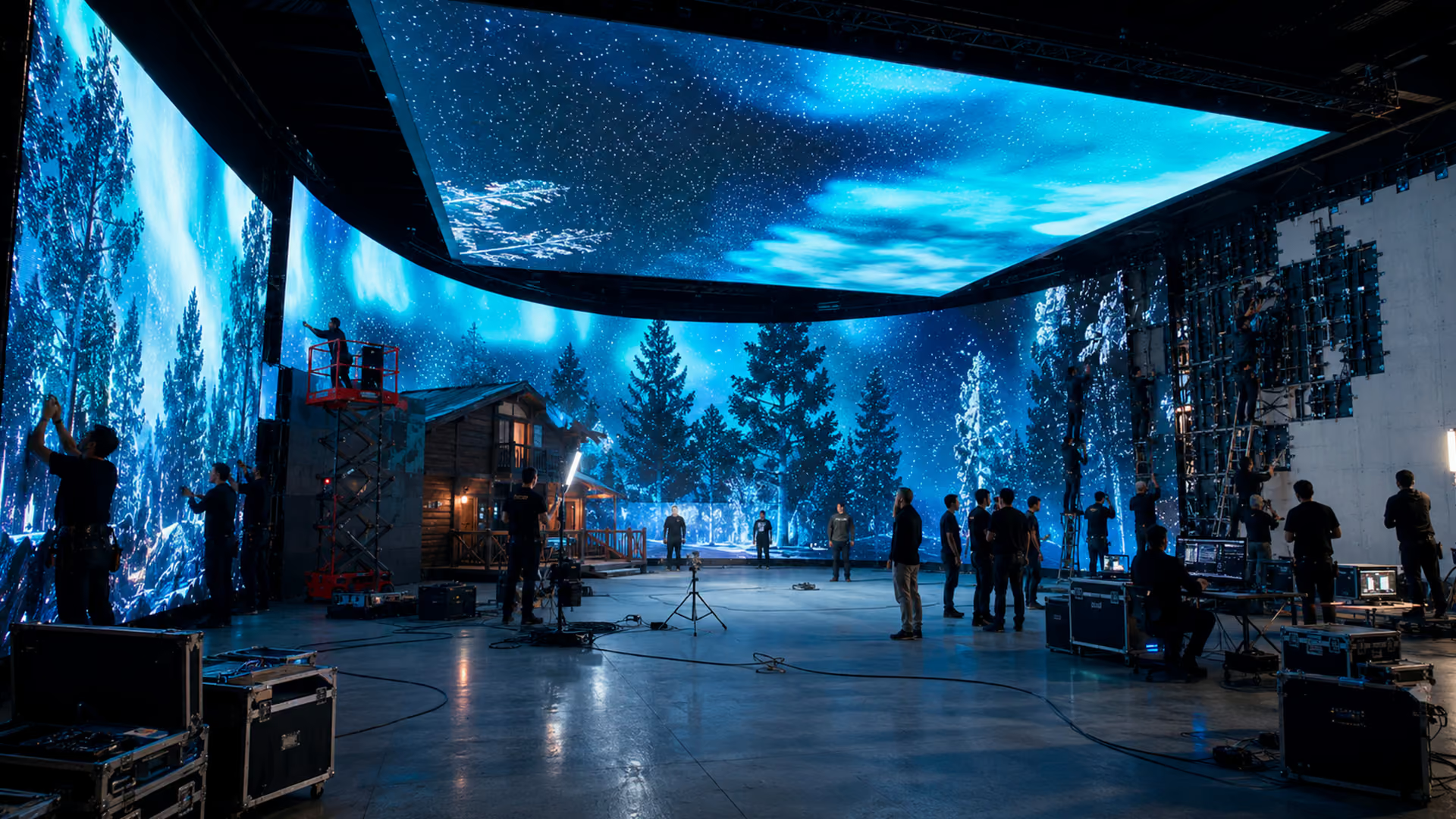
Start by identifying the main category of the experience. Is it virtual production for a commercial, a FOOH activation for social media, an architectural videomapping for an event, or an interactive installation? Each of these categories has very distinct technical and production implications. For example, if your interest is a Virtual production, it's crucial to specify whether an LED Volume is required, what type of content will be projected onto it (8D scenarios, pre-rendered backgrounds), and whether there will be real-time interaction with actors ar nhvsical elements
Then, delve into the functionalities. If you're looking for an interactive experience, how will users interact? Through gestures, touchscreens, motion sensors, or even voice commands? For the NESTLE - NAN project, where interactive games for children were created, Cinética Studio specified the use of touchscreens, LIDAR detection for wall interaction, and physical buttons, each with its particular game logic. This granularity allows the technical studio to understand the complexity of the necessary software and hardware develooment
It's equally important to detail hardware and software requirements. Do you need a specific projection system, high-resolution LED screens, or motion capture equipment? Is there a preference for development platforms like Unity or TouchDesigner? For the Coca-Cola interactive floor, Cinética Studio used TouchDesigner for visual development and MediaPipe for real-time person detection, which involved a webcam setup and a Computer Vision system. Specifying these details, even if they are just initial ideas, helns to size the nroiect
Finally, consider integration with other systems. Does the experience need to connect toa database, social media for content sharing, or an event management system? In the case of the Amazon Music karaoke, the ‘experience required video and audio capture, processing to generate 20-second clips, storage in Firebase, and the generation of QR codes for participants to download their content. These integration points are critical for workflow and resource estimation
The Role of Budaet and Deadlines in Quote Accuracy
Transparency regarding budget and deadlines is as crucial as technical specifications in a brief. Brands often hesitate to disclose these figures upfront, fearing that the studio will tailor its proposal to the maximum, available budget. However, this reluctance can be counterproductive, leading to inaccurate quotes and a lonner more frustrating neantiation nracecs
‘When a creative technology studio like Cinética Studio receives a brief that includes a budget range and a realistic deadiine, it enables a much more efficient solution design process. Knowing these constraints from the outset allows the technical and creative team to adjust the scope, technologies, and human resources needed to deliver a viable and optimized proposal. For example, if the budget is tight, alternative technologies can be explored or functionalities simplified without compromising the primary objective of the exneriance
The absence of this information, conversely, forces studios to make assumptions, which can result in proposals that are either far above or below the client's expectations. An excessively high quote can dismiss a promising project, while a proposal that is too low might imply cuts in quality or essential functionalities that were not adequately communicated. At Cinética Studio, we have seen how clarity on these points accelerates the quoting phase and allows the conversation to focus on the project's value and viability, rather than canstant aditistmants tn nrice and scane
Deadlines also play a decisive role. A tight schedule may require the allocation of larger teams, extended shift work, or the prioritization of certain project phases, which naturally impacts costs. If the studio knows the deadlines from the beginning, it can assess internal capacity, plan logistics, and, if necessary, propose intermediate phases or deliverables that fit within the available time window. This avoids surprises and ‘ensures that the proposal is not only economically viable but also executable within the brand's desired timeframe
In summary, providing a clear budget range and timeline is not just a courtesy but a smart strategy that benefits both parties. It allows the studio to offer more realistic and personalized solutions, and the brand to receive accurate quotes that reflect the trie cast and effort of their creative vision
Common Mistakes in Drafting a Technical Brief and How to Avoid Them
Even with the best intentions, drafting a technical brief can fall into common traps that compromise the accuracy of quotes and the success of a project. Recognizing these errors is the first step to avoiding them and ensurina seamless collaboration with soecialized studios like Cinética Studio.
One of the most frequent pitfalls is ambiguity in describing functionalities. Phrases like "we want something interactive" o "it should look amazing" are subjective and don't provide a technical basis for ‘estimation. Without details on the type of interaction (tactile, gestural, voice), the number of simultaneous users, or the desired resolution, the studio is forced to make assumptions, which can result in an inflated quote or, worse, a solution that doesn't meet expectations. To avoid this, it's crucial to break down each functionality into specific, measurable requirements. For example, instead of "interactive floor," one could specify “interactive floor with detection for up to 10 simultaneous people, activating real-time generative aranhics as each user nasces with a maximum latency of 1NOms"
Another significant error is the lack of information about the implementation environment. Designing an ‘experience for a controlled studio space is different from an outdoor activation with variable weather conditions or a high-traffic area, Details such as exact space dimensions, ambient lighting, electrical power availability, internet connectivity, and noise restrictions are crucial. For example, for video mapping, it's vital to know the projection surface, the available distance for projectors, and if there are any obstacles. Omitting this data can lead fo unfeasible saliitions or tinexnected additianal casts diirina the nraductian nhase Unrealistic expectations regarding budget or timelines are also a common source of frustration. While it's understandable for brands to seek resource optimization, presenting a brief with a budget or timeline that doesn't align with the project's technical complexity is counterproductive. This can lead to studios submitting proposals that cut essential functionalities or simply declining to participate. Honesty and flexibility are key here; it's preferable to indicate a budget range and be open to discussing how the scope can be adjusted to fit within it, rather than imposing unattainable limits. An effective brief communicates restrictiqns hit also a willinaness ta callaharate ta find the hast saluitian within thse limitations
Finally, the absence of a clear technical point of contact within the brand or agency can slow down the ‘quoting process. Technical questions will arise, and having a designated person capable of answering them knowledgeably streamlines communication and ensures the studio fully understands the needs. This avoids a chain of intermediaries that can distort information and guarantees that the brief is interpreted correctly from the outset
How Cinética Studio Uses a Technical Brief to Deliver Exceptional Results
‘At Cinética Studio, a technical brief is not a mere formality; it's the essential starting point for transforming a vision into a tangible, successful reality. Our brief analysis process goes beyond simply reading requirements, involves a deep dive to understand the project's essence, the brana's objectives, and the audience's ‘expectations. This initial phase is critical for developing innovative solutions and, crucially, for generating accurate and fair atintes
Upon receiving a brief, our multidisciplinary team—comprising creative directors, software engineers, 3D designers, and production specialists—meticulously dissects it. Every technical component, every desired functionality, and every budgetary or time constraint is evaluated under the lens of feasibility, innovation, and impact. We look for opportunities to optimize, propose more efficient technological alternatives, or suinnest creative annroaches that maximize the client's retiirn on investment
A detailed technical brief allows us, for example, to precisely define the software architecture needed for an interactive installation or the complexity of 3D models for an augmented reality experience. When the brief clearly specifies preferred technologies or physical space limitations, as in the development of an interactive floor for Coca-Cola, we can anticipate challenges and design robust solutions from the outset. In this project, a precise brief regarding the need for real-time people detection and tracking allowed us to integrate technologies like TouchDesigner and MediaPipe, ensuring that generative graphics responded fluidly to user movement.
Similarly, for the Amazon Music karaoke experience, a brief outlining the need to capture audio and video, process the content, and deliver it via QR, guided us toward implementing Unity for experience control, Firebase for cloud storage, and a robust QR code generation system. The clarity in technical requirements allowed our team to build a comprehensive solution that managed the interaction of hundreds of narticinants daliverina nersnnalized and shareable clins seamlesshy
The precision in the technical brief is directly proportional to the accuracy of our quote and the quality of the final outcome. It allows us to allocate appropriate resources, estimate development times with greater accuracy, and, most importantly, propose solutions that not only meet requirements but exceed them, delivering memorable and high-impact experiences. A well-crafted brief is, in essence, an invitation to co- creatinn where the client's vision meets auir technical expertice.
Final Checklist: Your Technical Brief Ready for Action
After exploring the importance, components, and best practices for drafting a technical brief, i's time to consolidate everything into a practical checklist. This checklist will help ensure your document is complete, clear, and maximizes the chances of receiving precise proposals aligned with your expectations. A well- crafted brief is the foundation for successful collaboration and for your creative vision to materialize without technical hitches
Review the followina points before sendina vour brief to a creative technoloav studio:
* Clarity of the M achieved with the project? Is the central message or desired experience clear?
Objective: Does the brief unequivocally communicate what is expected to be
"Defined Target Audience: Is it specified who the experience or activation is aimed at? Does it include relevant demographic, psychographic, or behavioral data?
Project Context and Justification: Does it explain why this project is important for the brand? Does it mention the challenges or opportunities it seeks to address?
* Detailed Technical Scope: Have all specific functionalities, interactions, and technological requirements been listed? Have ambiguities in the description of desired technologies been avoided (eg, "augmented reality" vs. "AR filter for Instagram with facial recognition")?
* Hardware and Software Specifications: If applicable, have preferred or required platforms, devices, or operating systems for implementation been mentioned?
“Integration Requirements: Are the APIs, databases, or third-party systems with which the solution must interact detailed?
* Clear Deliverabl seconds,
jas it been specified what concrete results are expected (e.g,, "2D animation" of 30 interactive installation for 50 simultaneous people,” “WebAR experience with 3 3D models")?
imelines and Schedule: Have key dates been established for proposal submission, project start, intermediate milestones, and final launch date?
“Indicative Budget: Has a budget range or approximate figure been provided to guide the studio? (Remember this helps to size the proposal).
Key Contacts: Have the contact details of the project's responsible persons and decision-makers been included?
Reference Material: Have visual examples, videos, mood boards, or links to similar projects that serve as inspiration or reference been attached?
* Evaluation Criteria: Have the main factors that will be considered when evaluating proposals been communicated [ec creativity technical faasihility cast nrevinuis exneriencel?
By following this checklist, you will not only facilitate the work of creative studios but also ensure that the
quotes you receive are a true reflection of what you genuinely need. An impeccable technical briefs the first
sten towards a suicressfill nroduction and a memorable exnerience
Conclusion
Crafting a detailed and precise technical briefs a strategic investment that lays the groundwork for the
success of any creative technology project. At Cinética Studio, we deeply value the clarity and thoroughness
‘of these documents, as they enable us to transform ambitious visions into tangible, high-impact realities. By
providing all necessary information, from marketing objectives to the finest technical specifications, you not
‘only optimize the quoting process but also ensure a smooth, efficient collaboration and, ultimately, a result
that exceeds expectations. A well-executed technical brief is your best ally in navigating the complexity of
creative production and ensuring your investment translates into memorable experiences and measurable
results, We invite you to contact Cinética Studio to discuss your next project and see how our expertise can
rina waiir vision to life
Frequently Asked Questions (FAQ)
‘What is the main difference between a creative brief and a technical brief?
Accreative brief focuses on the overall vision, marketing objectives, audience, and emotional message of the
project (the what and why}. A technical brief, on the other hand, details the functional specifications, platforms hardware software and intearatinns needed to build the exnerience [the haw
Why ie it imnortant ta include an astimated budaat in the technical brief? Including a budget range helps the studio to size the proposal and offer solutions that fit the client's possibilities. It allows for resource optimization and functionality prioritization, avoiding unfeasible proposals
‘or uunderestimations af seane ‘What kind af taraat audianes information is ralavant for a technical brief? In addition to demographic data, it is useful to include information about the audience's interests, behavior,
the context in which they will interact with the experience, and the emotions to be evoked. This influences interactive desian decisions and technaloay selection
‘What hannans if I don't have all the tachnical details elaar at the baainnina?
It's understandable not to have all the answers. However, it's crucial to provide as much information as possible and be transparent about what still needs to be defined. A good studio like Cinética Studio can collaborate with you to refine technical details, but a solid starting point is indispensable for an accurate
aniete How ean | ansura my technical briaf is as affective as noscibla? Use the checklist provided in this article, be specific on each point, avoid ambiguities, provide examples and
reference material, and designate a clear technical point of contact. Open and detailed communication is kev to success,
Featured in
Our work has been recognized by leading industry publications covering creativity, technology, and innovation.
Discover interviews, features, and articles that highlight our projects and perspective.


You may also like

Ready to create something extraordinary?
From concept to execution, we design experiences that connect people, technology, and storytelling in unforgettable ways.